In this episode of Definitely Uncertain, Jean-Baptiste Wautier and David Ram discuss Vautier’s career path from M&A to private equity leadership, the alignment of interests between general and limited partners, and the critical importance of long-term wealth compounding. They also analyze how capital structure and artificial fund time horizons affect business value and decision-making. Finally, the conversation highlights key criteria for evaluating management teams and the ongoing consolidation trends shaping the future of private markets.
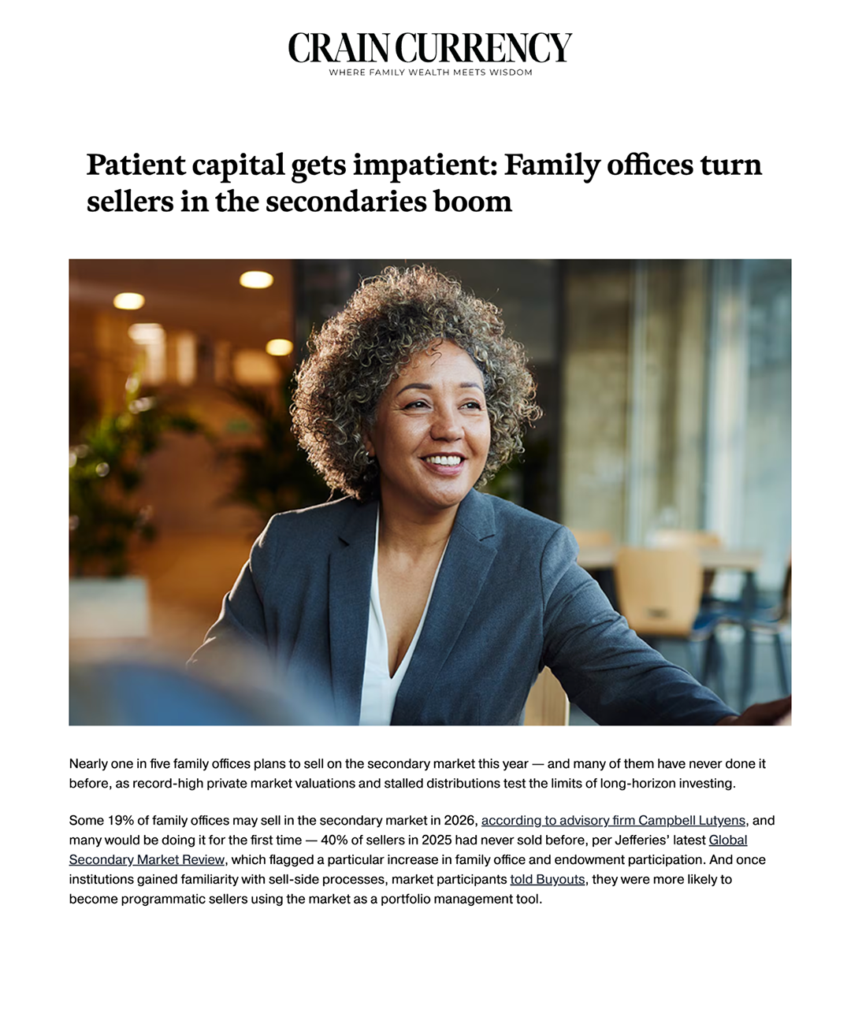
Nearly one in five family offices plans to sell on the secondary market this year — and many of them have never done it before, as record-high private market valuations and stalled distributions test the limits of long-horizon investing.
Some 19% of family offices may sell in the secondary market in 2026, according to advisory firm Campbell Lutyens, and many would be doing it for the first time — 40% of sellers in 2025 had never sold before, per Jefferies’ latest Global Secondary Market Review, which flagged a particular increase in family office and endowment participation. And once institutions gained familiarity with sell-side processes, market participants told Buyouts, they were more likely to become programmatic sellers using the market as a portfolio management tool.
The shift signals that family offices, long prized by fund managers for their tolerance of illiquidity, are increasingly treating the secondary market not as a last resort but as a deliberate portfolio management tool.
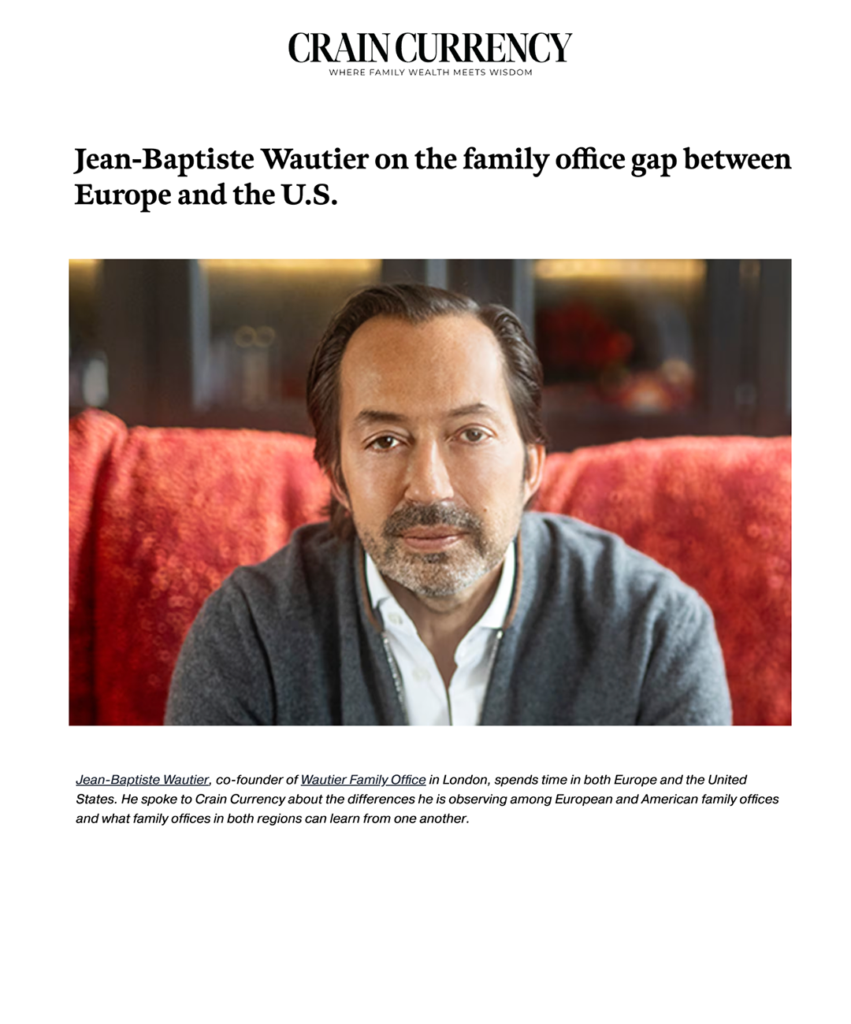


For years, the pitch was irresistible: While public fixed income languished and equity markets churned with volatility, private credit offered family offices something rare: steady, elevated yields in the 9% to 15% range, smooth reported returns and the comfort of assets not marked to market every trading day. Nearly one-third (32%) of single-family offices planned to increase their allocations to private credit in 2025, the most popular asset class cited by respondents in a BlackRock survey. Global private credit AUM crossed $3.5 trillion last year, with family offices accounting for a growing share.
Now the bill is coming due. Middle-market direct lending default rates hit a record high of 6% in April 2026, and the broader asset class is confronting questions it managed to avoid during the low-rate era. Lock-up periods averaging five to seven years — with many funds offering no redemption windows at all — are colliding with the one thing family offices exist to protect: the ability to deploy capital when the family needs it, according to wealth managers and family office professionals.
When JB Wautier entered private equity, the industry looked nothing like it does today. It was, in his words, a collection of investors getting together and trying to build something. Entrepreneurs choosing a craft, developing instincts, operating in an environment where the macro happened to be almost perfectly aligned with their interests. Rates were benign, asset prices were rising, and capital was freely available.
Twenty years later, the leader in that same industry manages a trillion dollars in assets. The shift from entrepreneurial to institutional is not just a matter of scale. It changes what the industry selects for, how decisions get made, and what the word “competitive advantage” even means in the context of a firm rather than a deal.


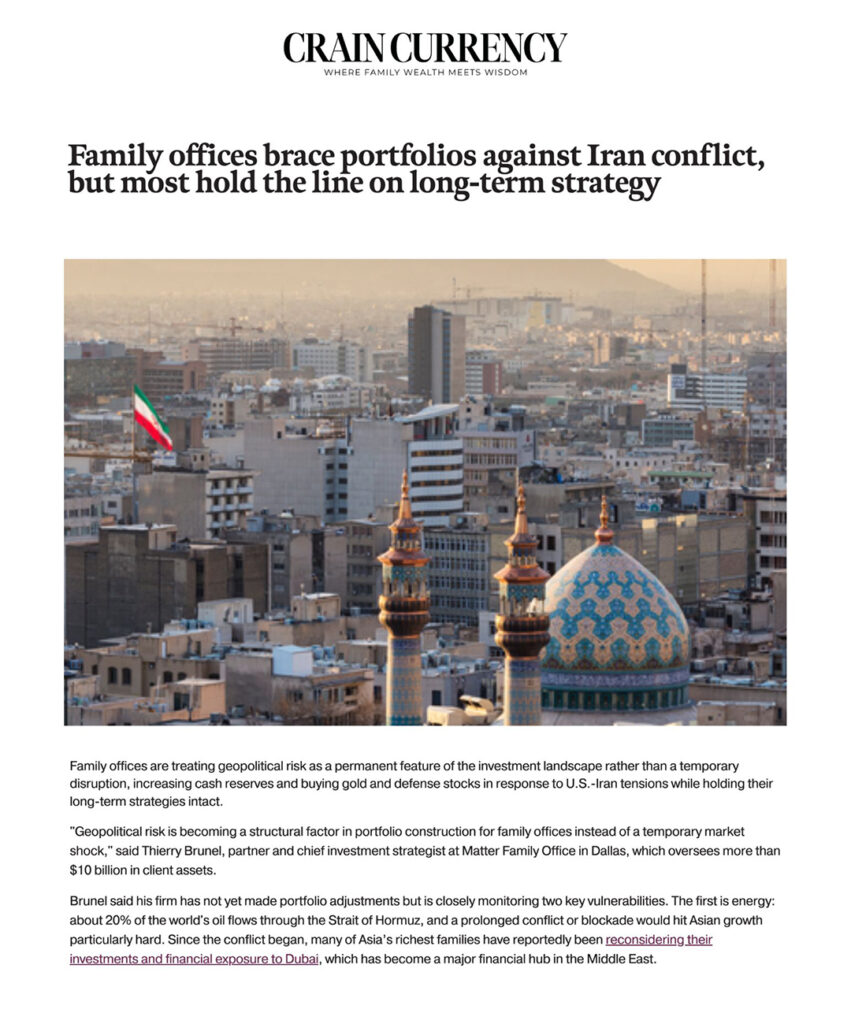
Family offices are treating geopolitical risk as a permanent feature of the investment landscape rather than a temporary disruption, increasing cash reserves and buying gold and defense stocks in response to U.S.-Iran tensions while holding their long-term strategies intact.
“Geopolitical risk is becoming a structural factor in portfolio construction for family offices instead of a temporary market shock,” said Thierry Brunel, partner and chief investment strategist at Matter Family Office in Dallas, which oversees more than $10 billion in client assets.
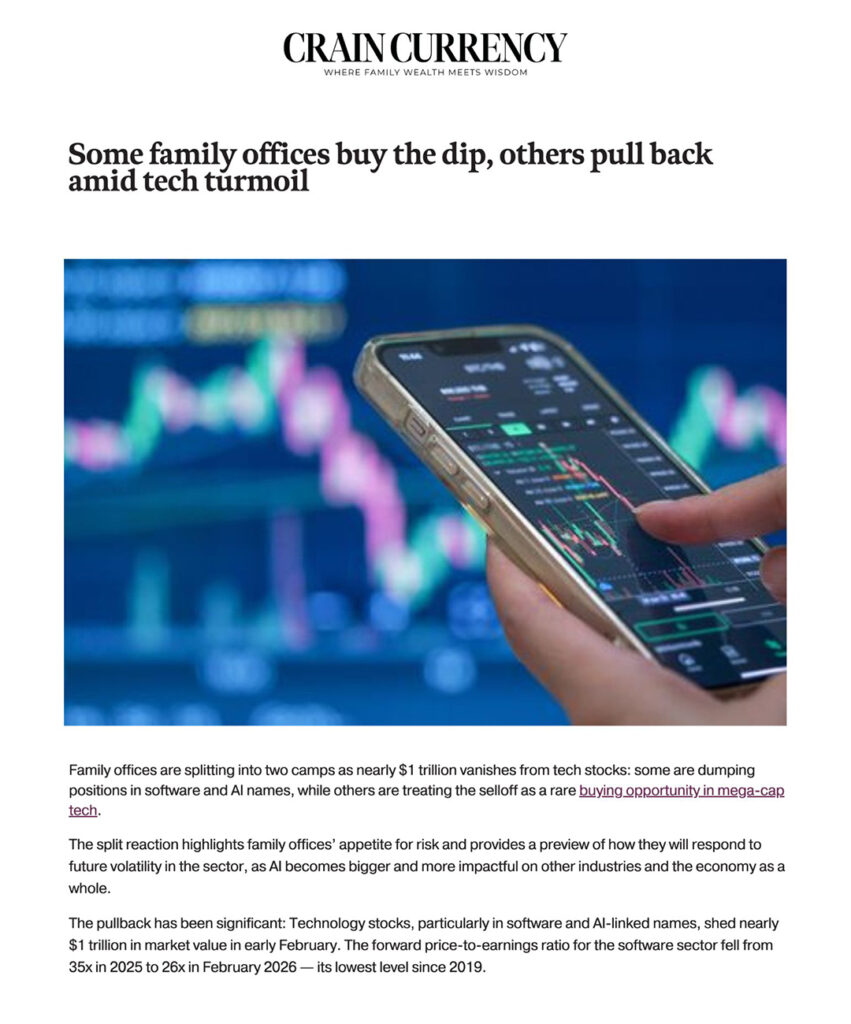
Family offices are splitting into two camps as nearly $1 trillion vanishes from tech stocks: some are dumping positions in software and AI names, while others are treating the selloff as a rare buying opportunity in mega-cap tech.
The split reaction highlights family offices’ appetite for risk and provides a preview of how they will respond to future volatility in the sector, as AI becomes bigger and more impactful on other industries and the economy as a whole.


President Donald Trump’s latest trade deal with China may look like a diplomatic win, but for the American middle class, it comes with hidden costs.


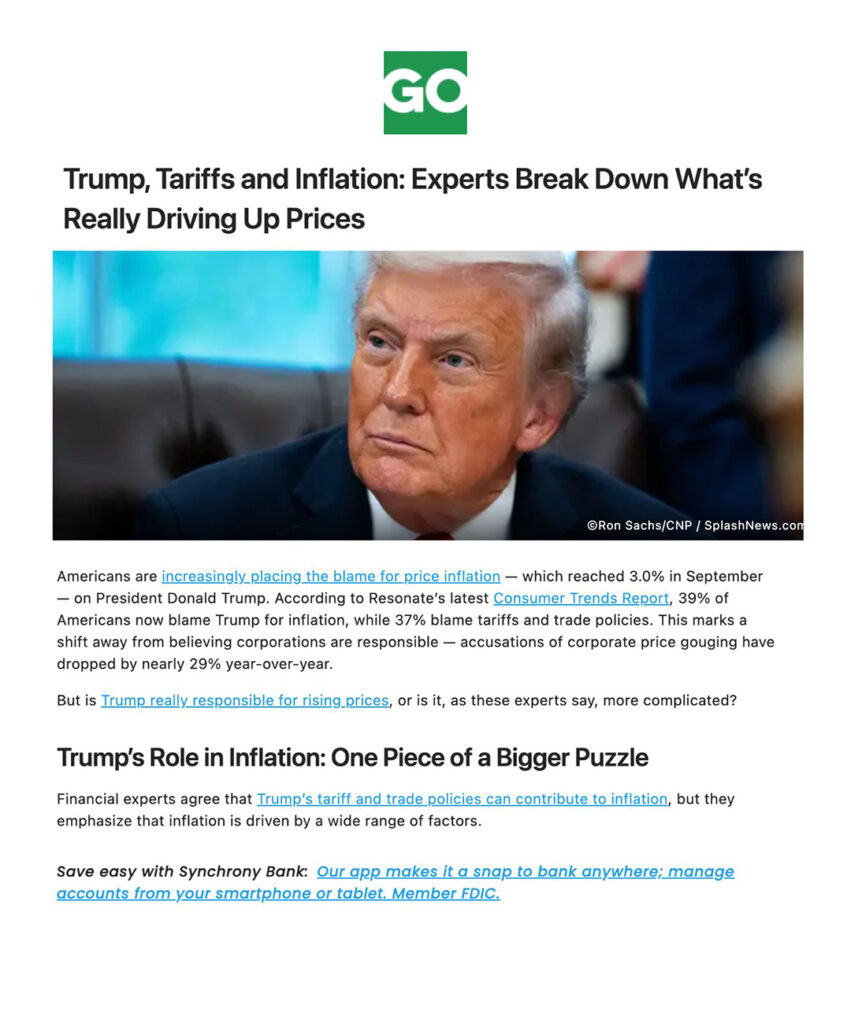
“There is a quasi-consensus that Trump tariffs risk feeding inflation through increased production costs for imported goods,” Wautier explains.
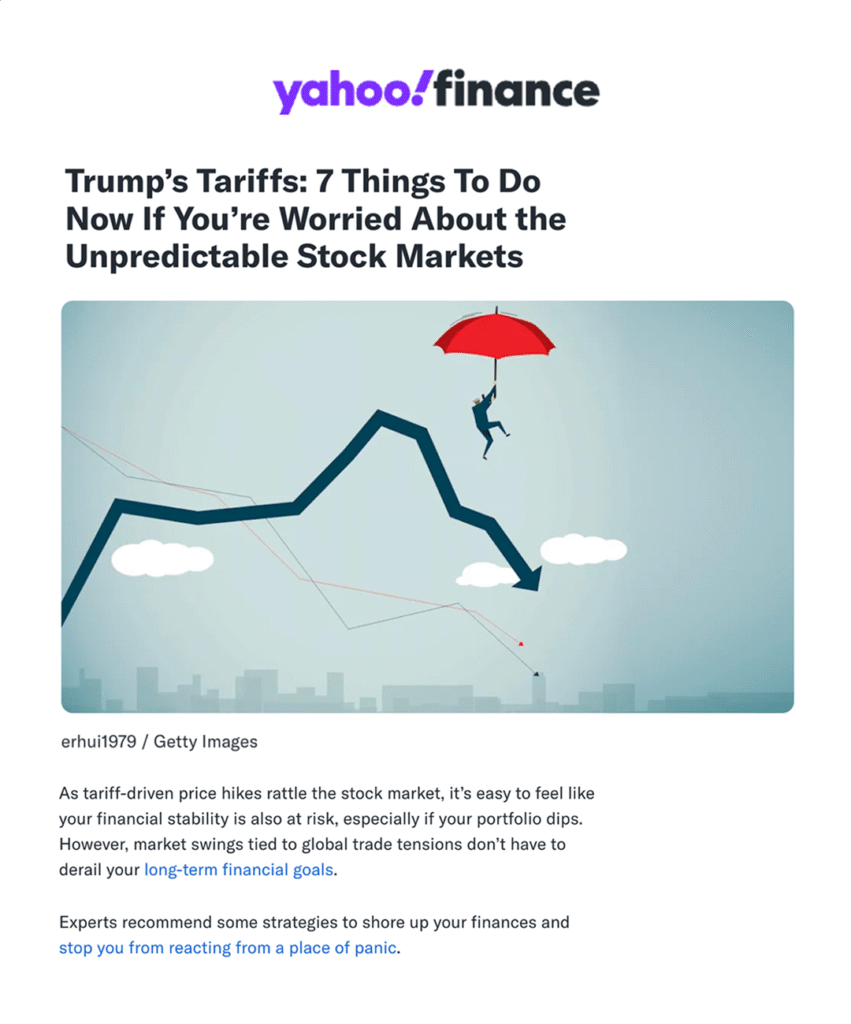
This article from Yahoo Finance discusses the potential impact of President Trump’s tariffs on consumer prices and inflation.
To read the full article, click the button below.
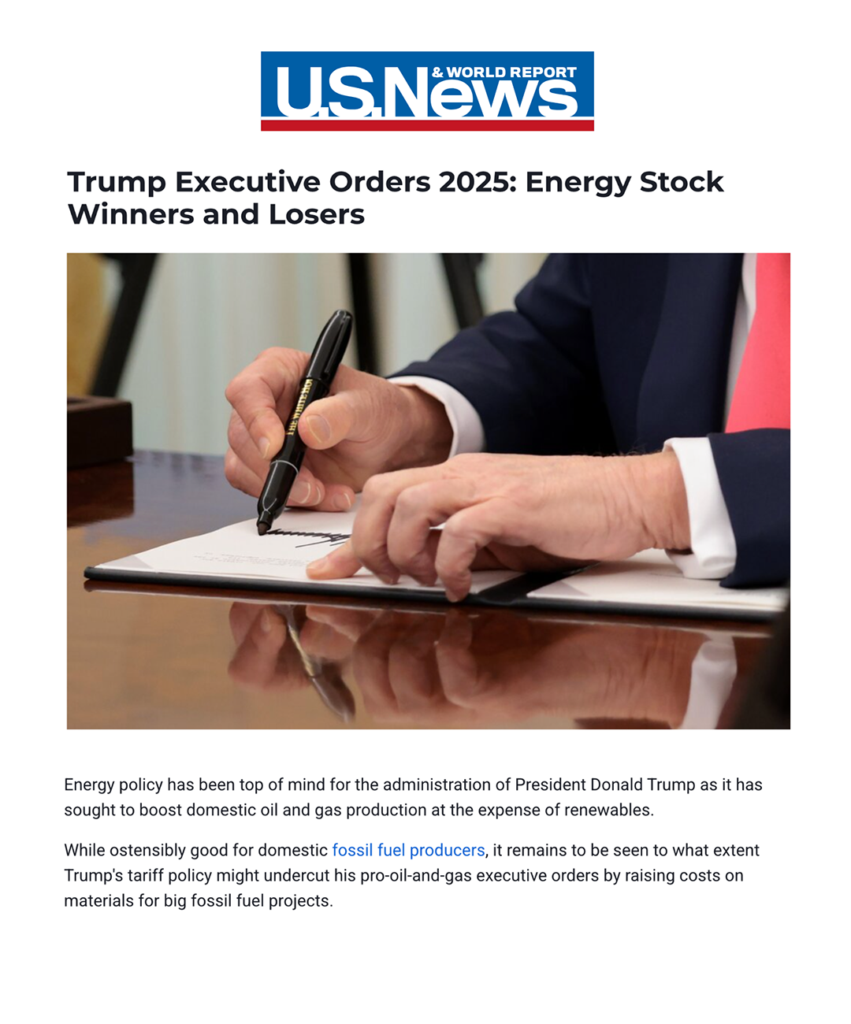
”Trump’s energy-related executive orders are a clear win for traditional energy producers,” Wautier says.
Matt Whittaker discusses the potential impact of President Trump’s 2025 executive orders on energy stocks in this article from U.S. News & World Report.
To read the full article, click the button below.
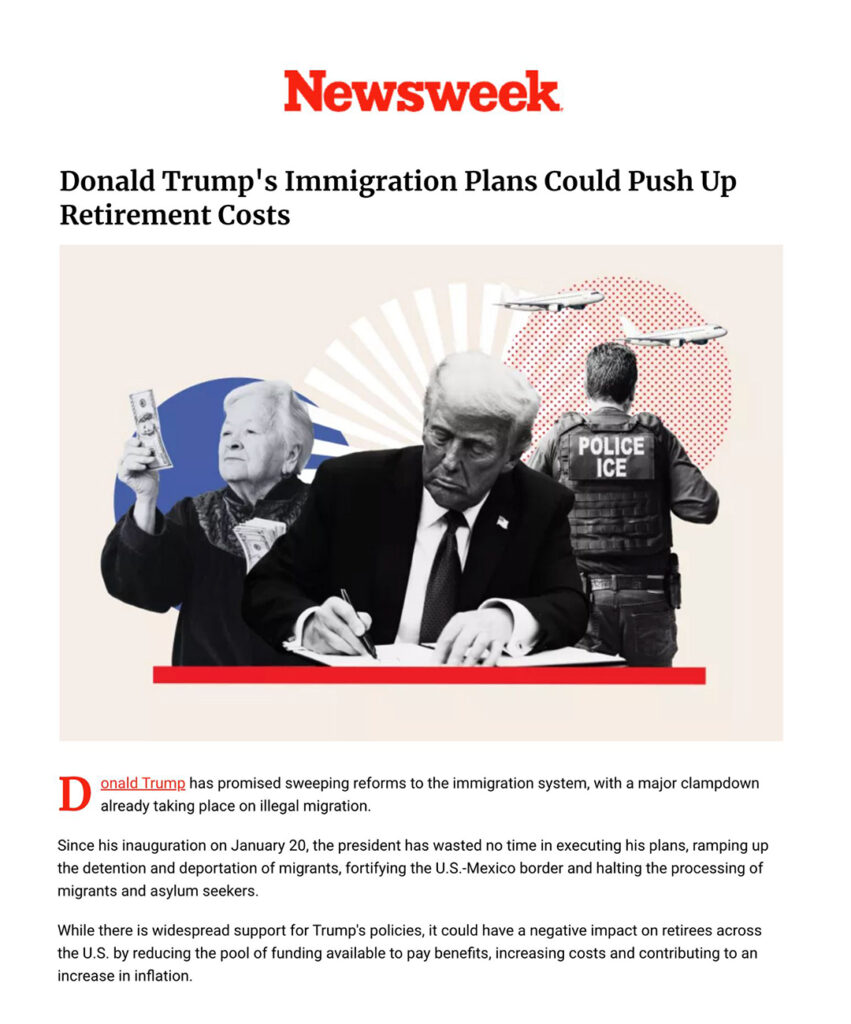
“Restricting immigration could exacerbate the Social Security funding gap, leading to higher retirement costs,” Wautier explains. – Jean-Baptiste Wautier
Aliss Higham discusses the potential impact of immigration policies on retirement costs in this Newsweek article.
To read the full article, click the button below.
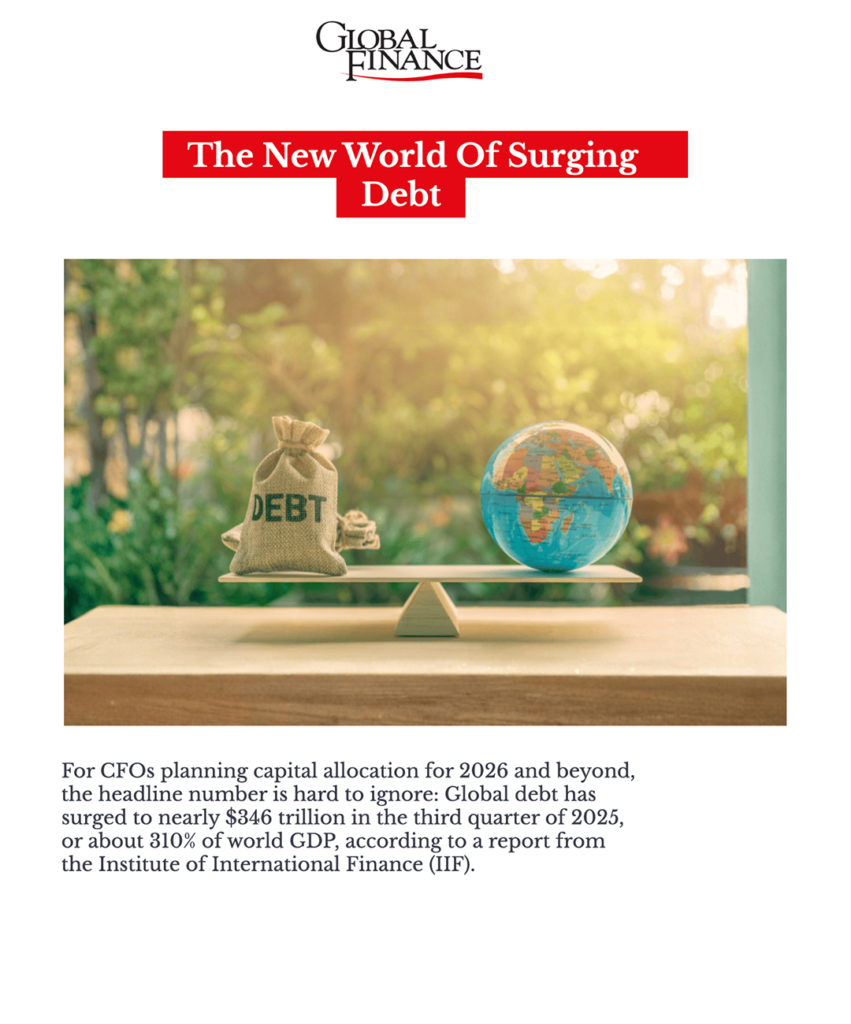
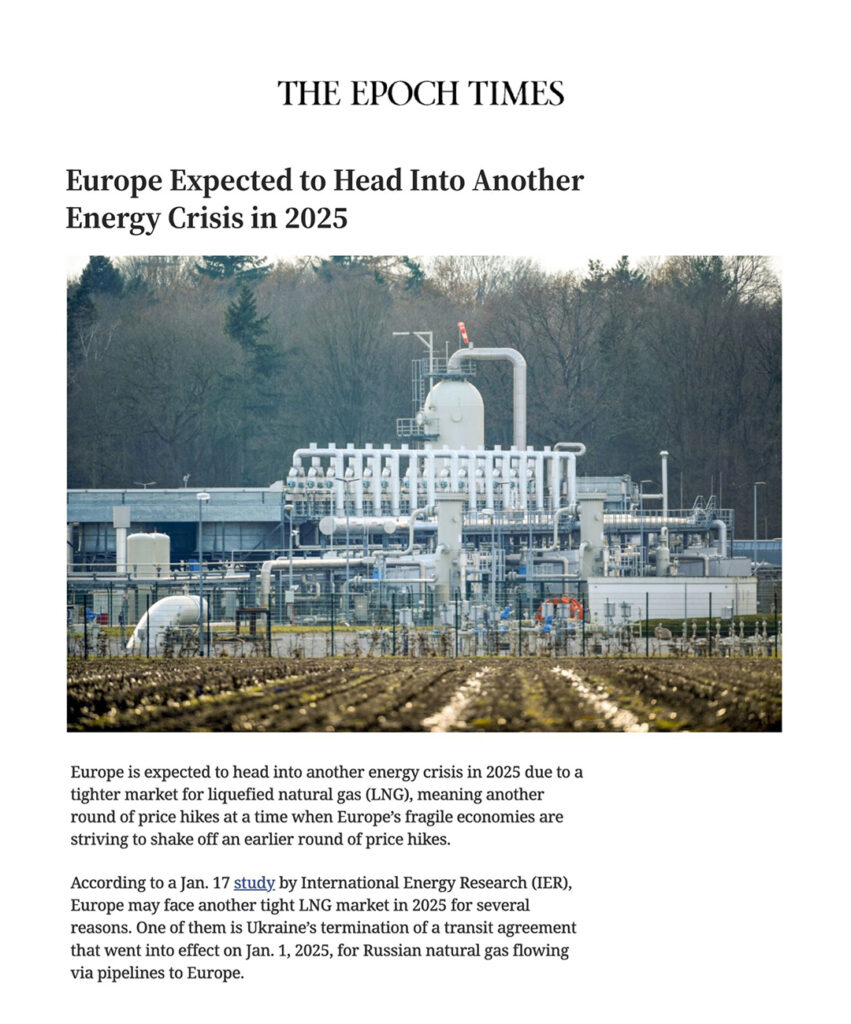
“The decision to reduce dependency on Russian oil and gas has increased the overall cost of supply for European countries that are not self-sufficient from an energy perspective—ditto for Iran,” Wautier explains. – Jean-Baptiste Wautier
Panos Mourdoukoutas discusses Europe’s anticipated energy challenges in 2025 in this article from The Epoch Times.
To read the full article, click the button below.
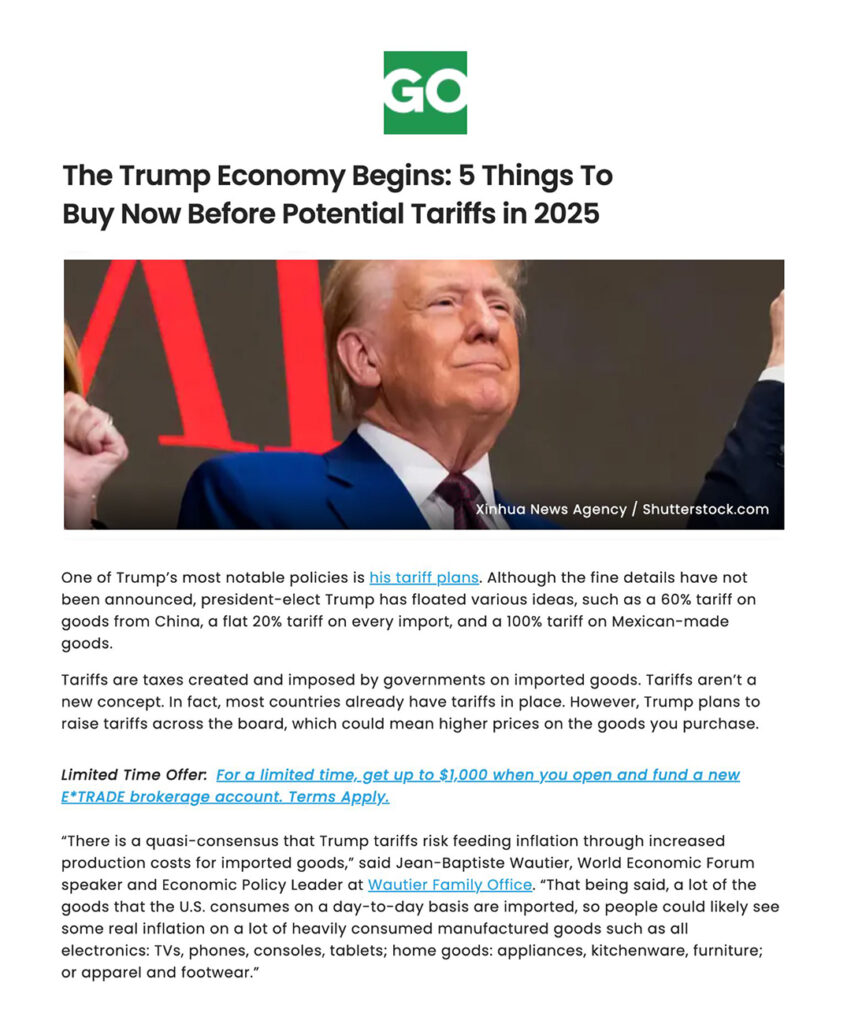
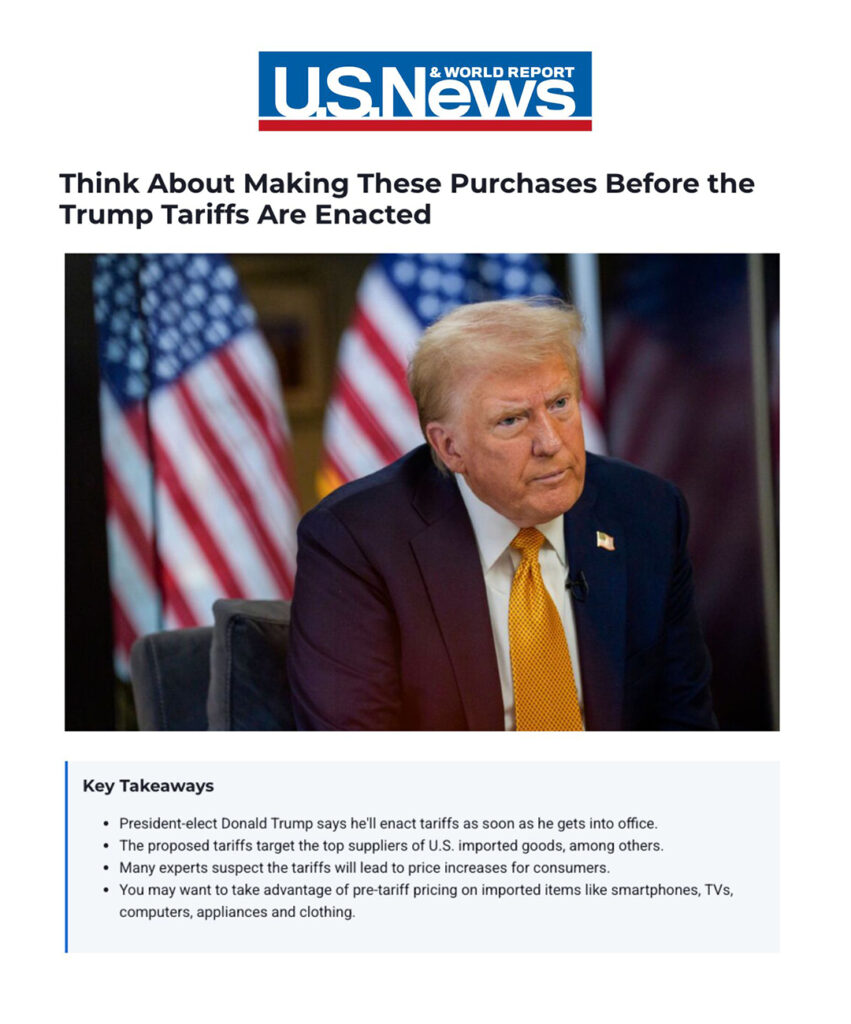
“The cost of everyday items like electronics and appliances could rise significantly if tariffs go into effect,” Wautier explains. “Consumers who are considering these purchases may want to act sooner rather than later.” – Jean-Baptiste Wautier
Jennifer Green interviewed Jean-Baptiste Wautier for GOBankingRates about items consumers might want to buy before potential tariffs in 2025.
To read the full interview, click the button below.
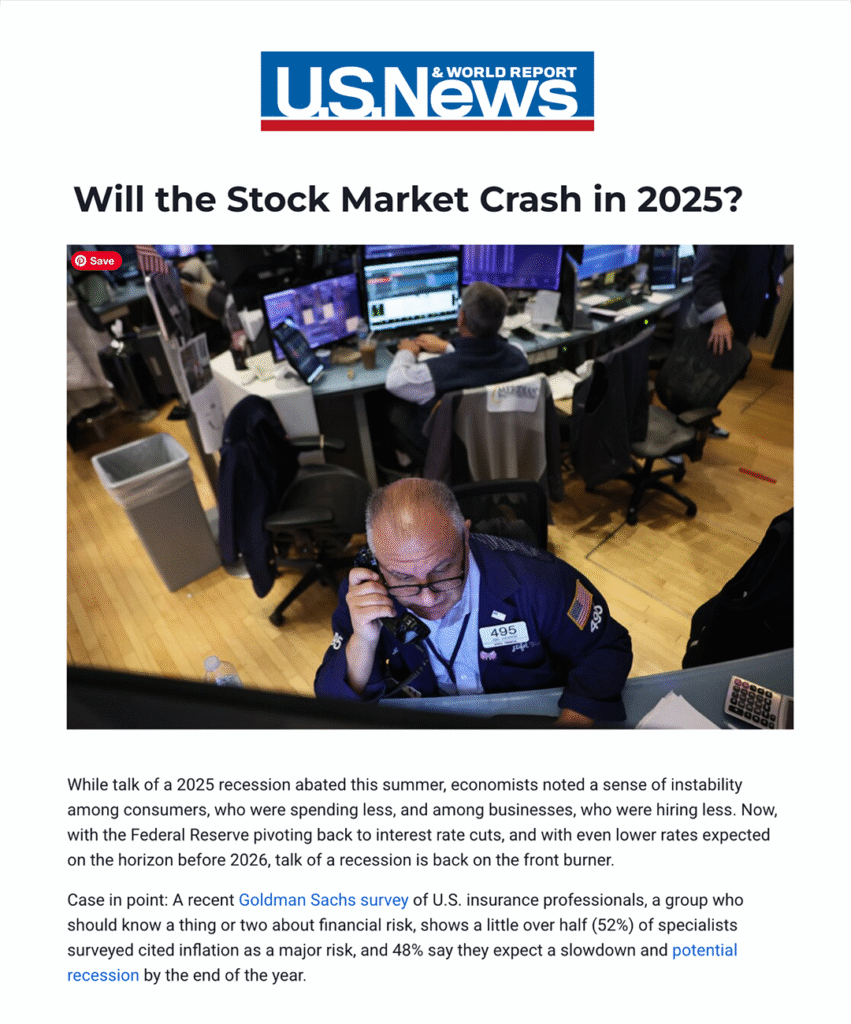
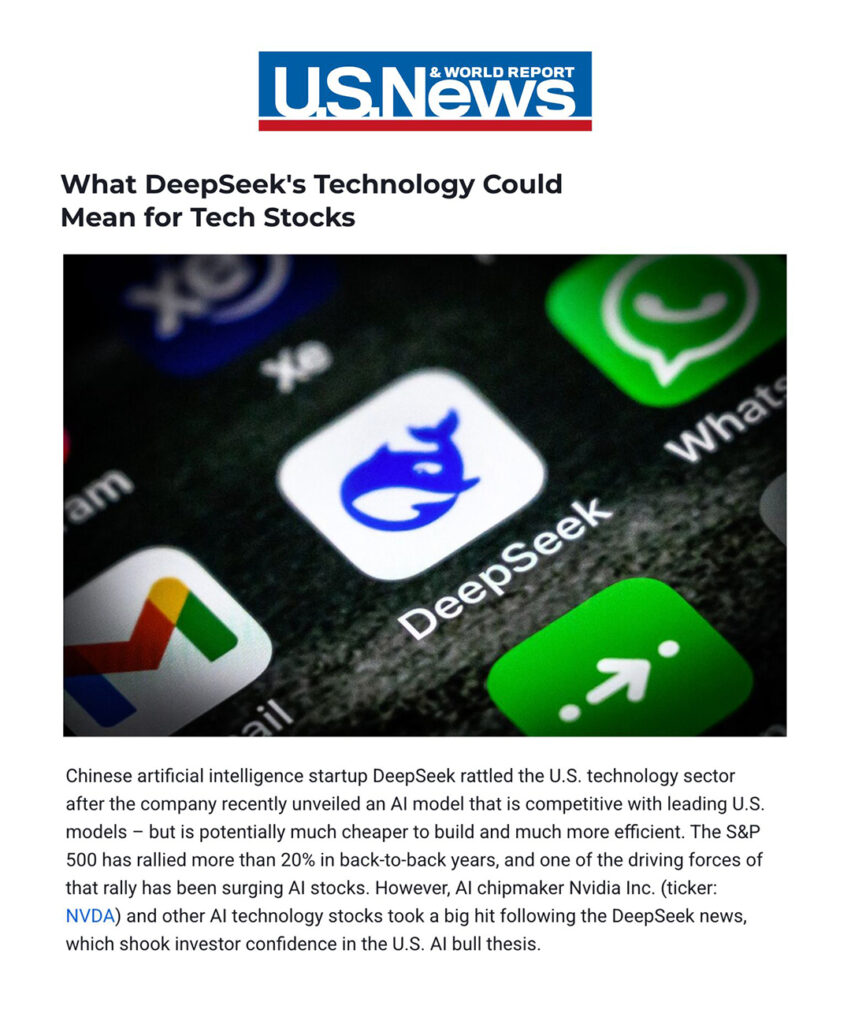
“DeepSeek’s advancements have the potential to revolutionize the AI sector,” Wautier states. “Major tech companies will likely see new opportunities—and new challenges—as this technology evolves.” – Jean-Baptiste Wautier
Jennifer Green interviewed Jean-Baptiste Wautier for U.S. News & World Report about the potential impact of DeepSeek’s technology on tech stocks.
To read the full interview, click the button below.
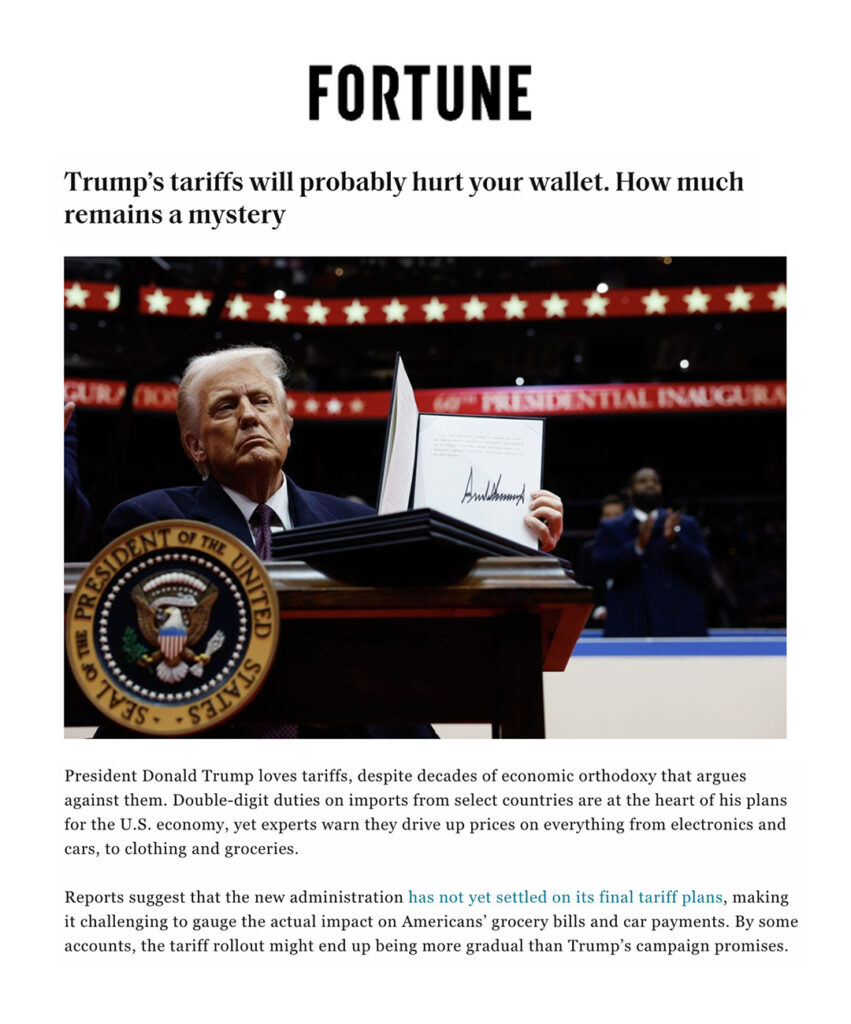
“Industries like home construction and manufacturing rely heavily on imported materials,” Wautier warns. “If tariffs increase costs, consumers will ultimately bear the burden.” – Jean-Baptiste Wautier
Jennifer Green interviewed Jean-Baptiste Wautier for Fortune about the potential effects of new tariffs on consumers’ finances.
To read the full interview, click the button below.
“If these tariffs move forward, we can expect price increases on everything from cars to home improvement materials,” Wautier advises. “For those planning major purchases, now might be the best time to buy.” – Jean-Baptiste Wautier
Jennifer Green interviewed Jean-Baptiste Wautier for U.S. News & World Report about recommended purchases to make before the implementation of new tariffs.
To read the full interview, click the button below.